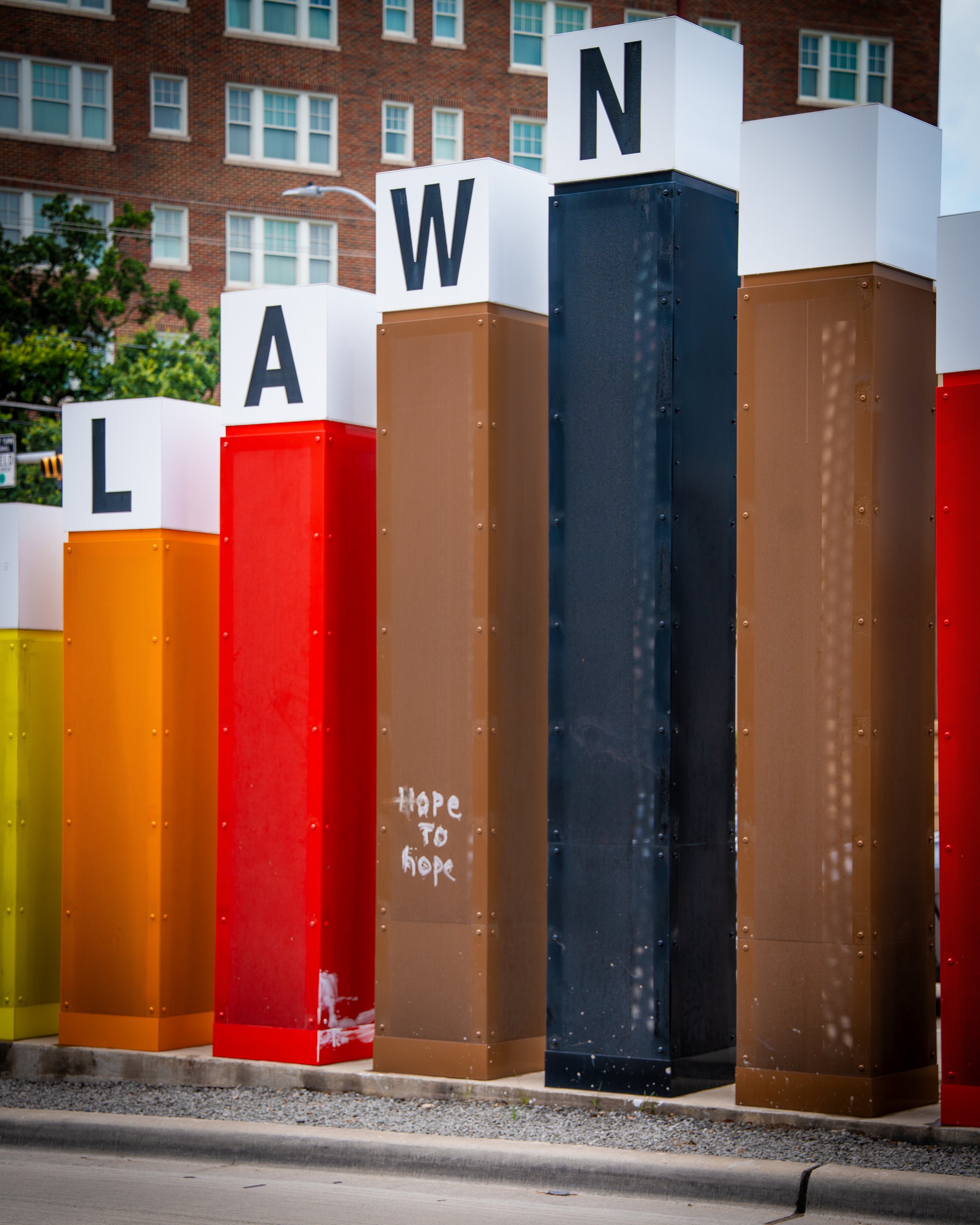
entry 003. hope to hope // oak lawn
"You can cross out the lines, but the ink has already soaked through the page."
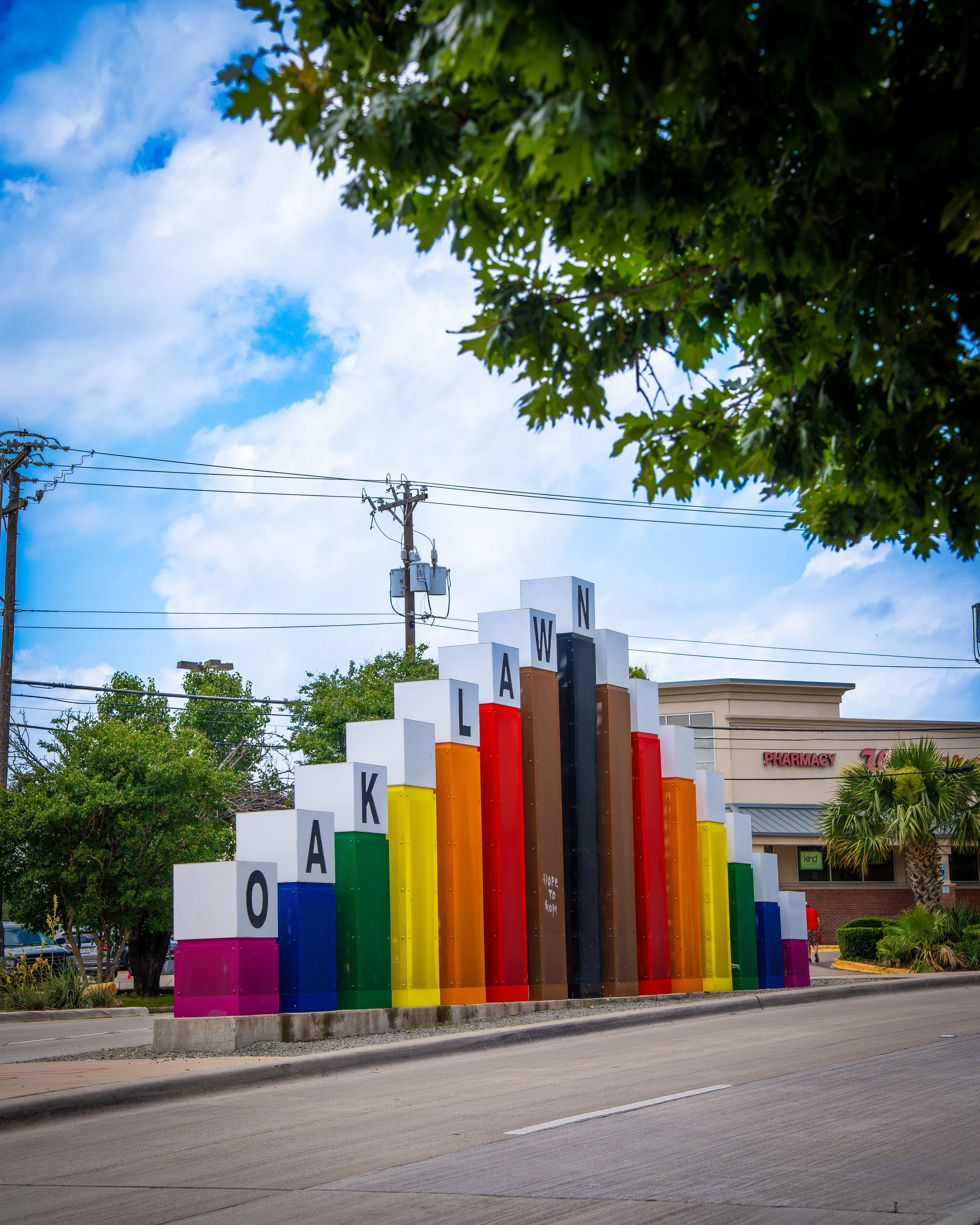
Hope to Hope. Hope to Hope. 2026
I believe in space.
Intentional space. Designated space. The kind that holds you without announcing itself. Bedrooms designed around rest. Kitchens designed around cooking. And communities, built around people.
That last kind doesn't always announce its intention. Sometimes it just finds a crack and holds on.
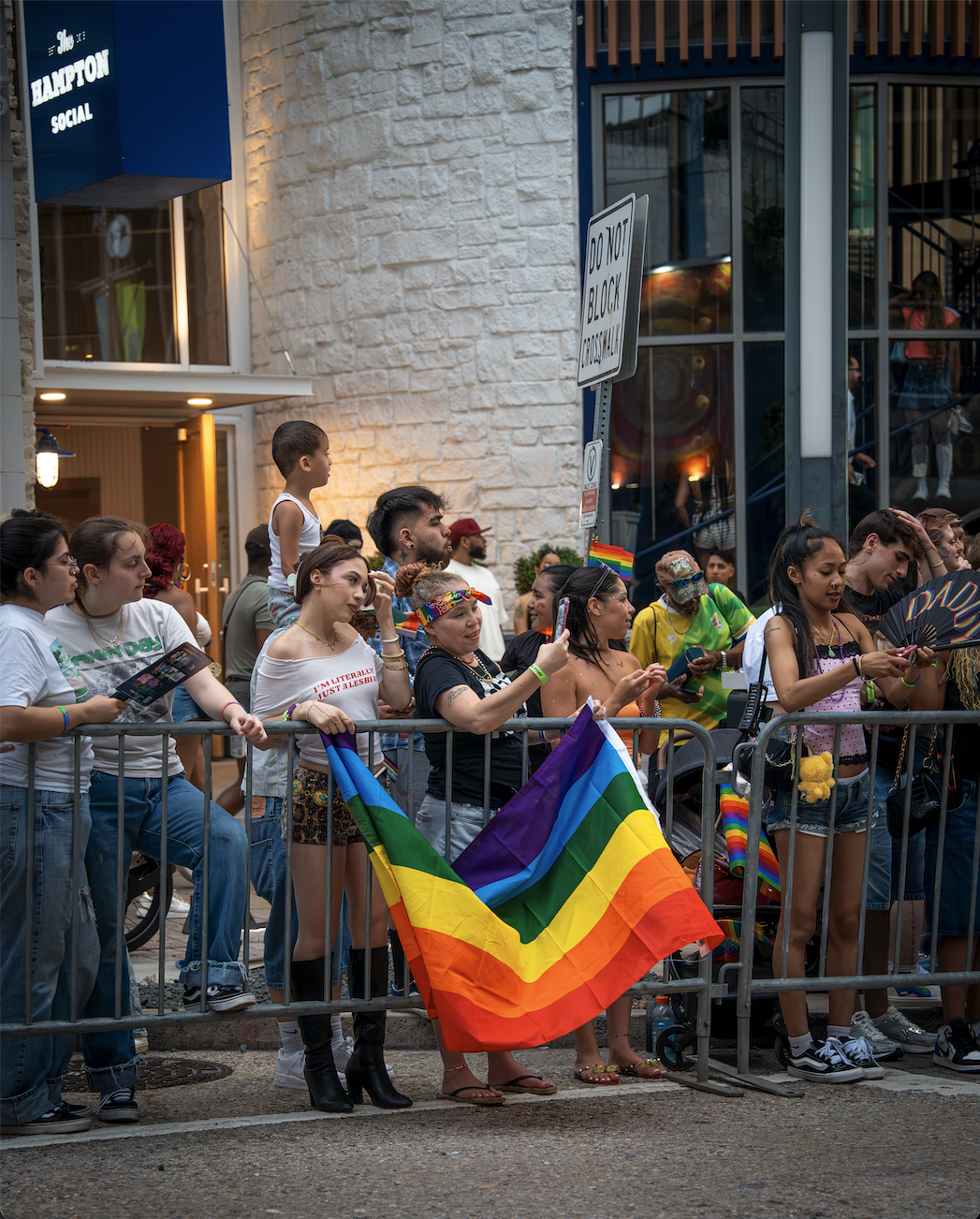
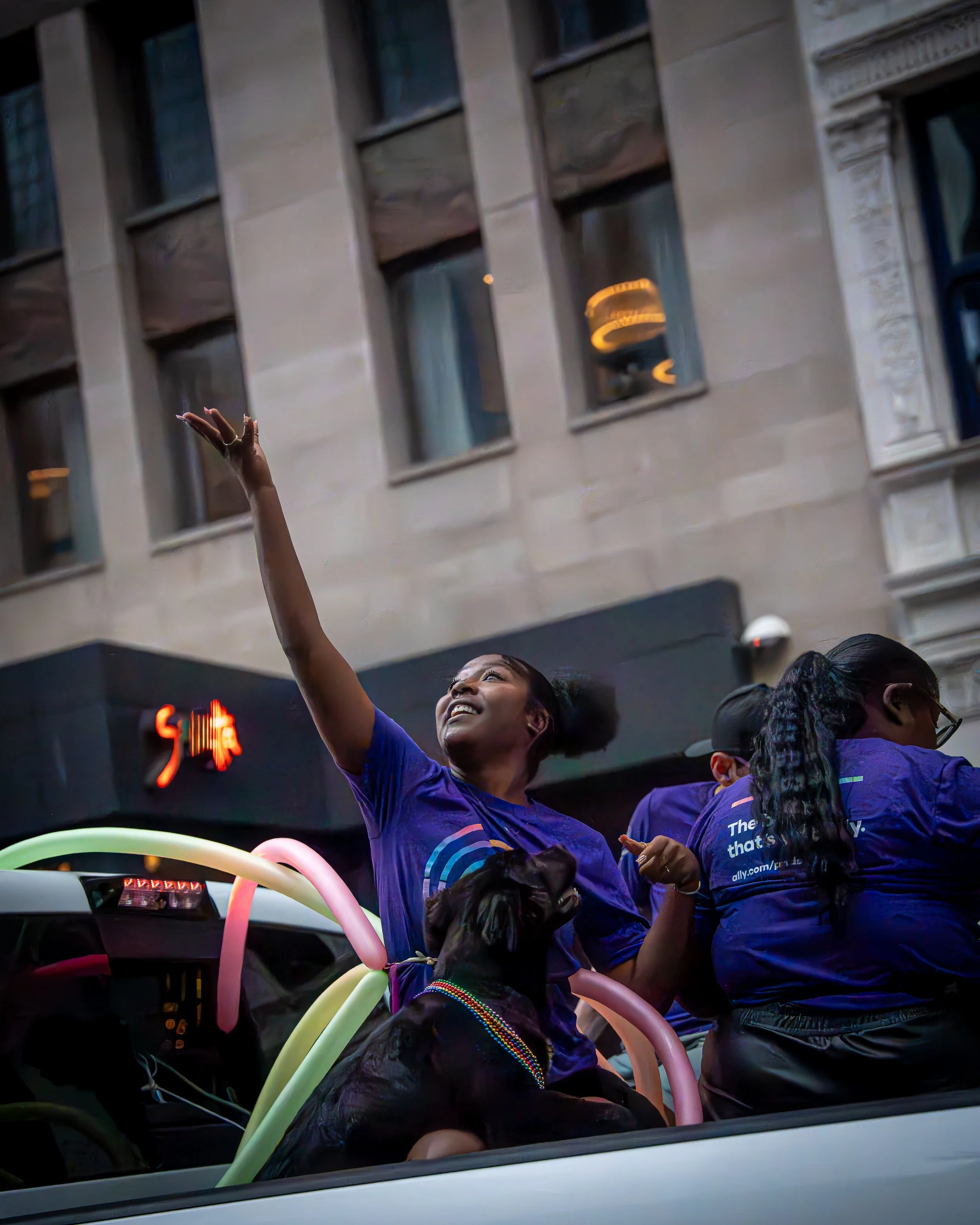
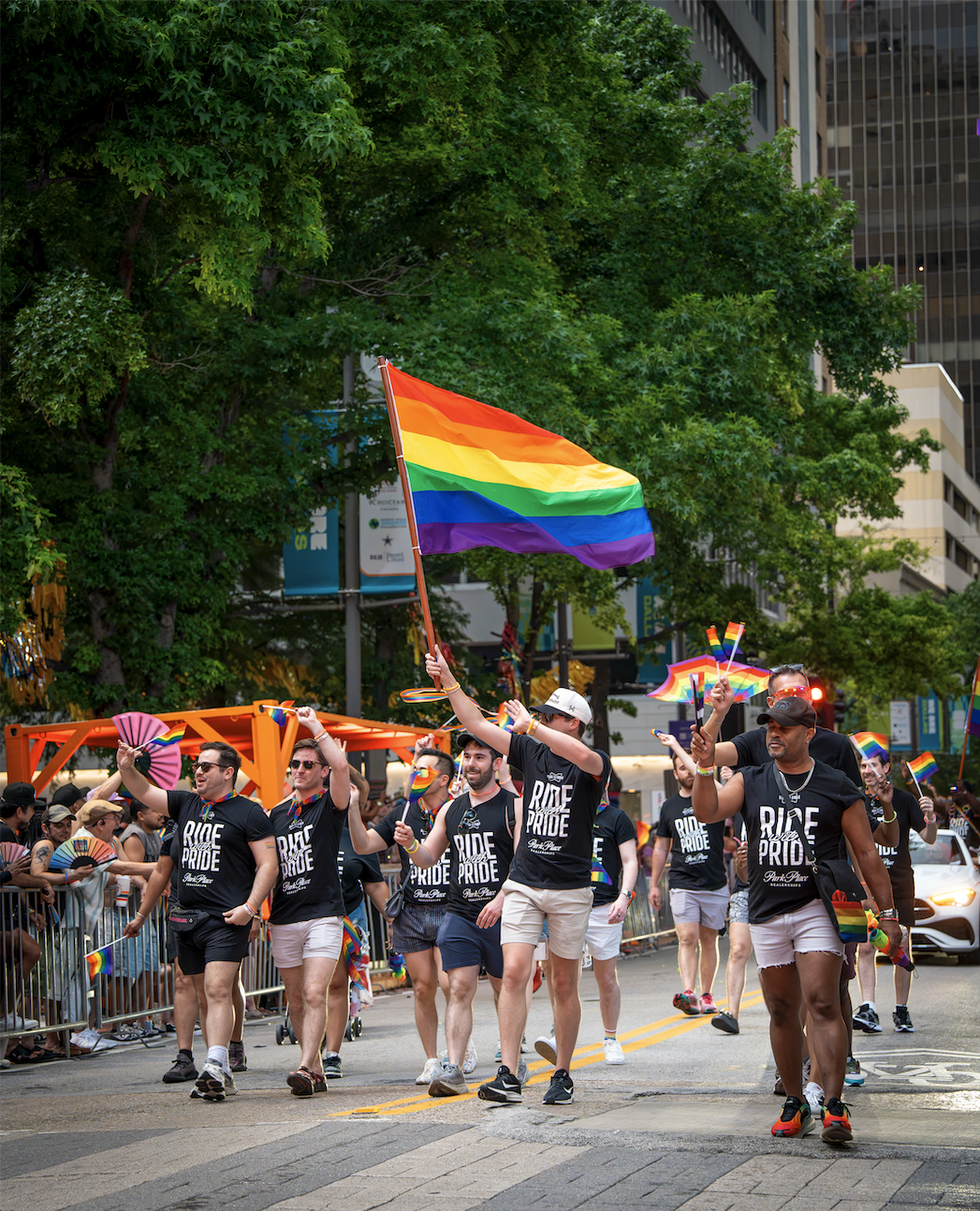
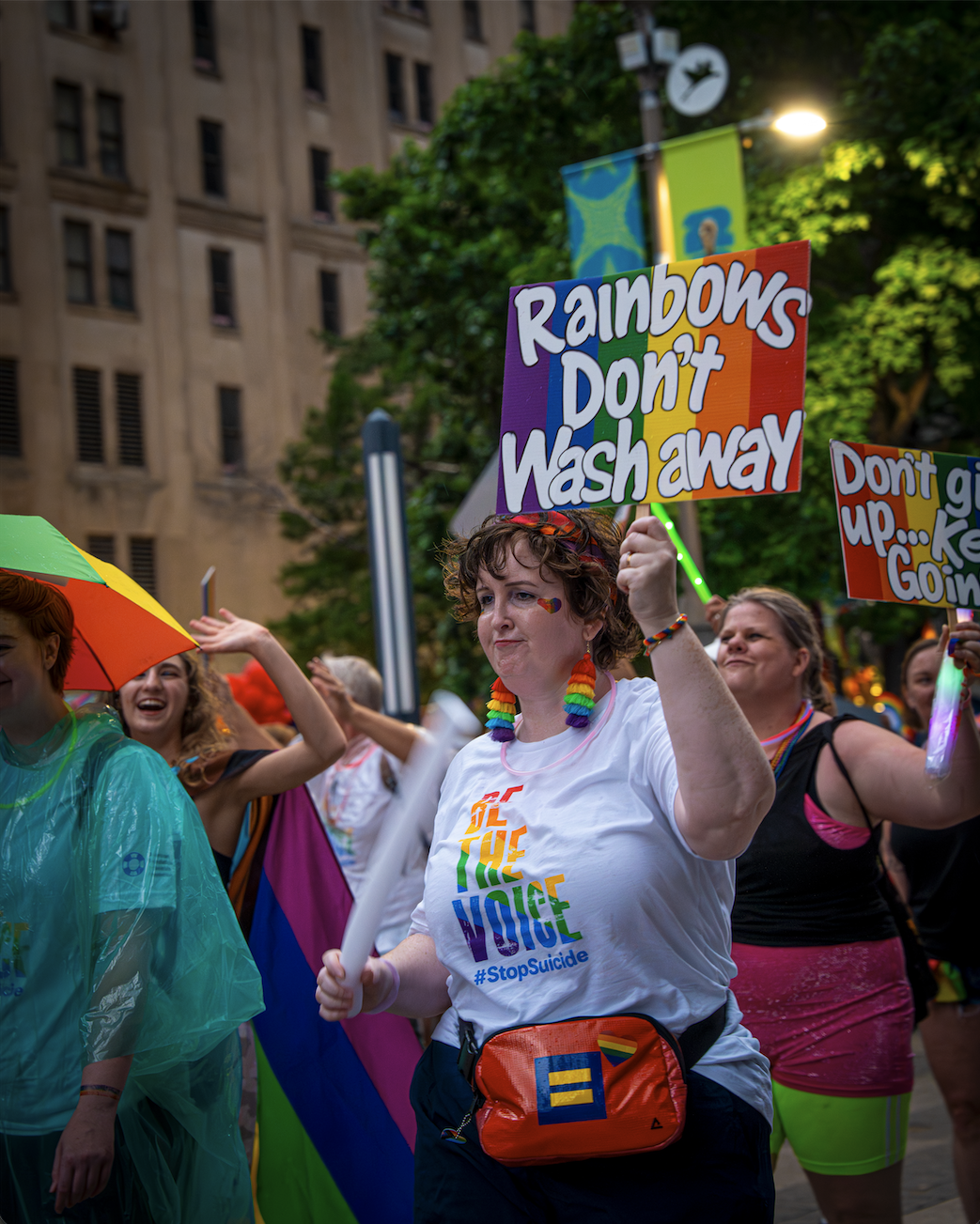
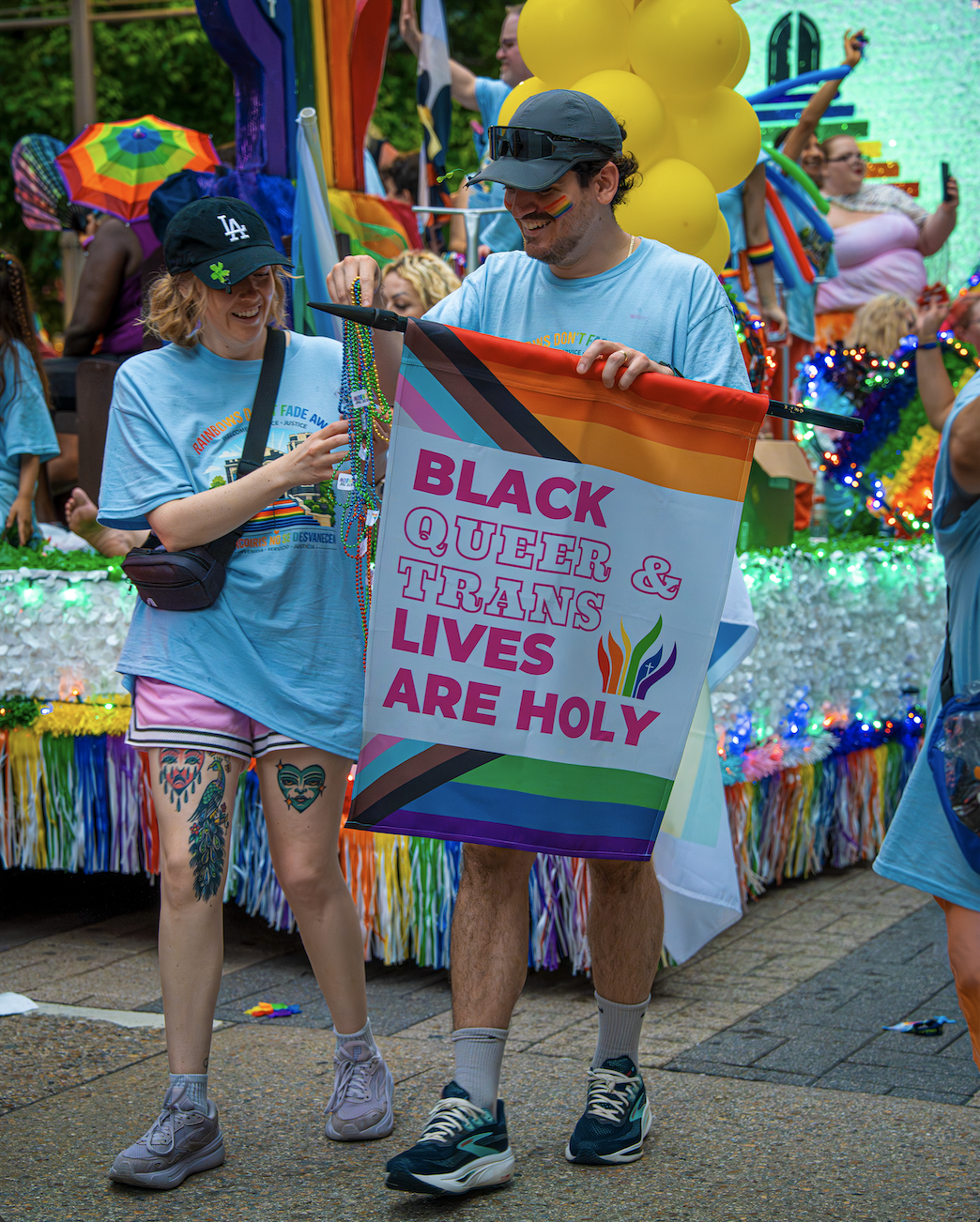
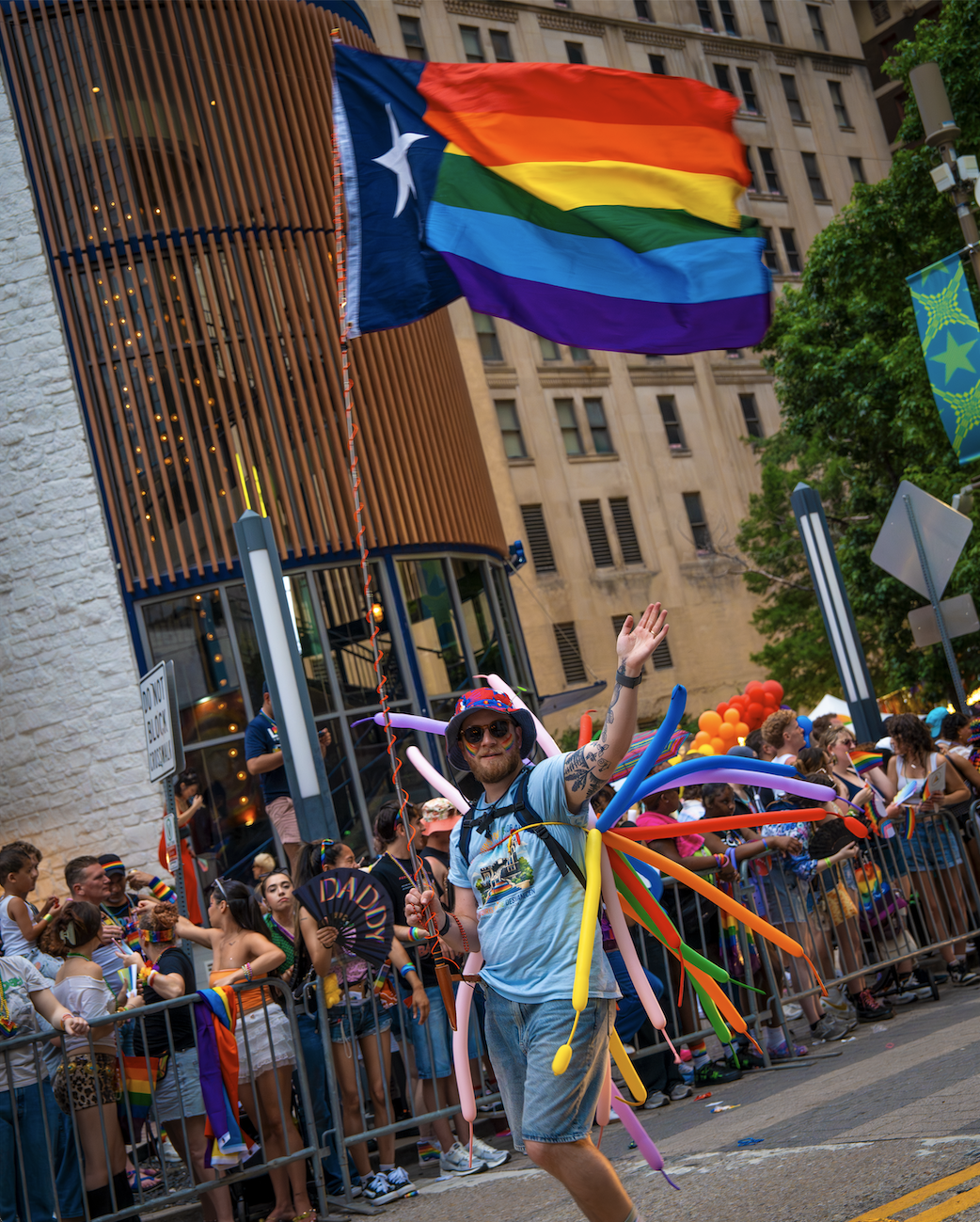
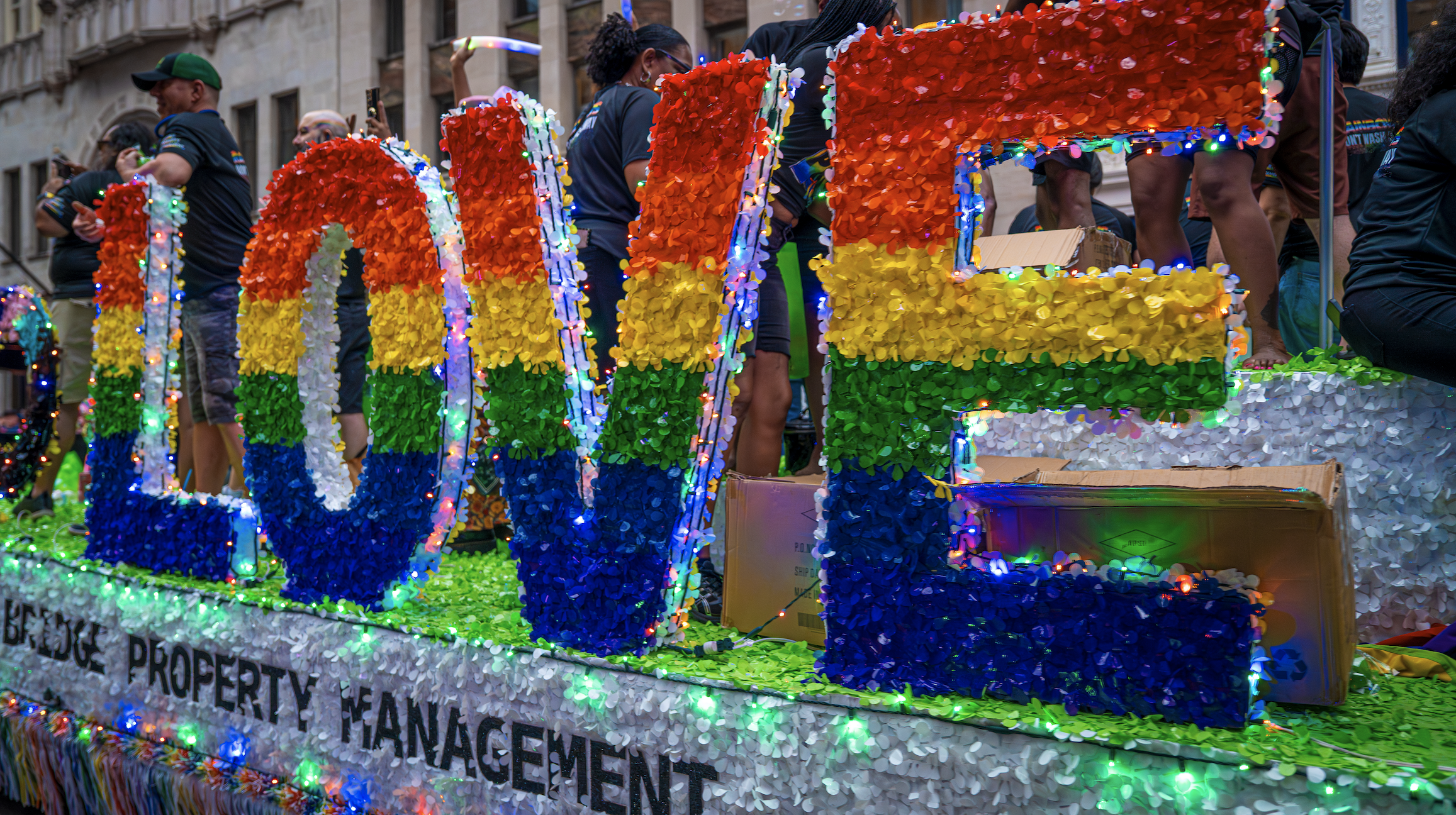
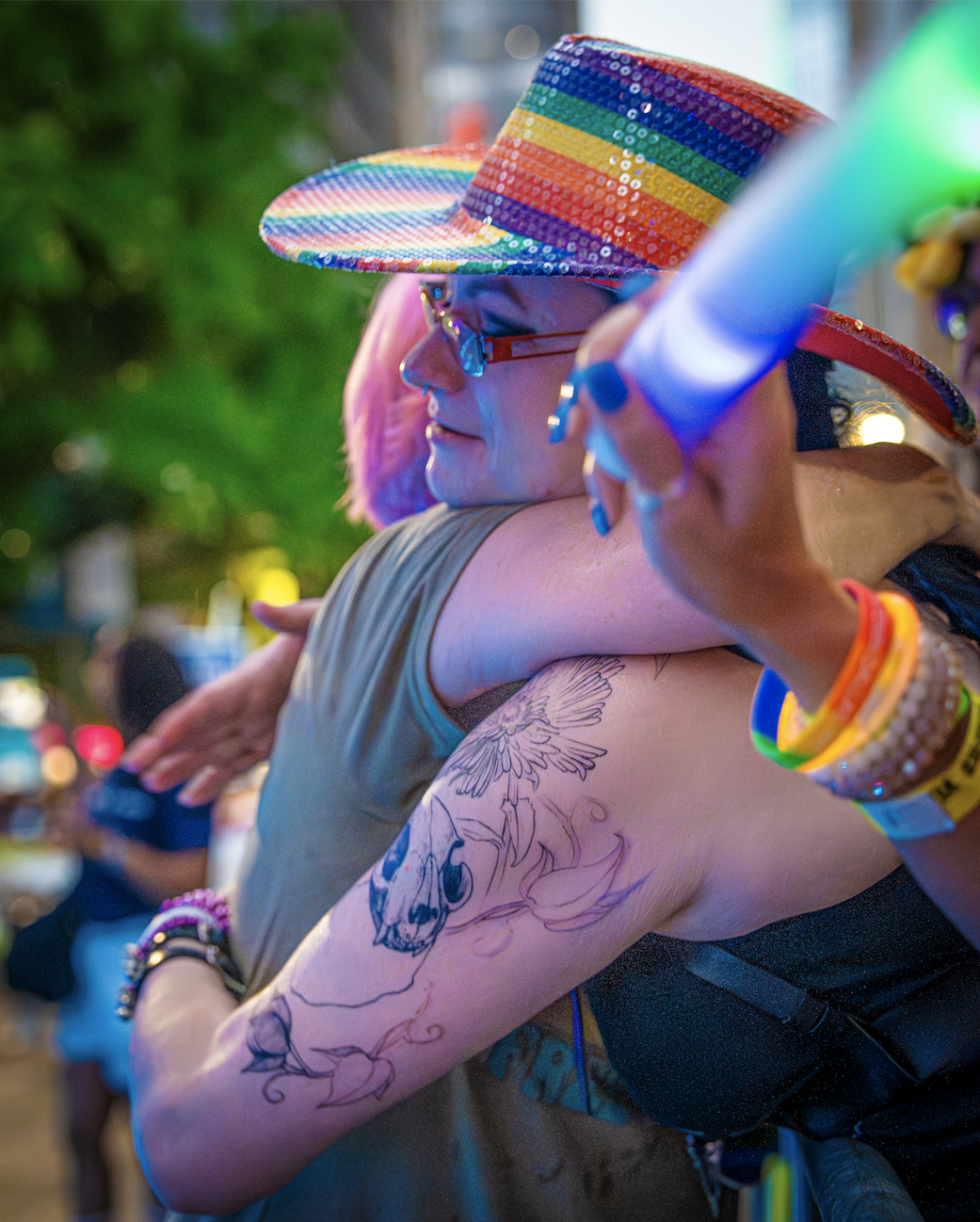
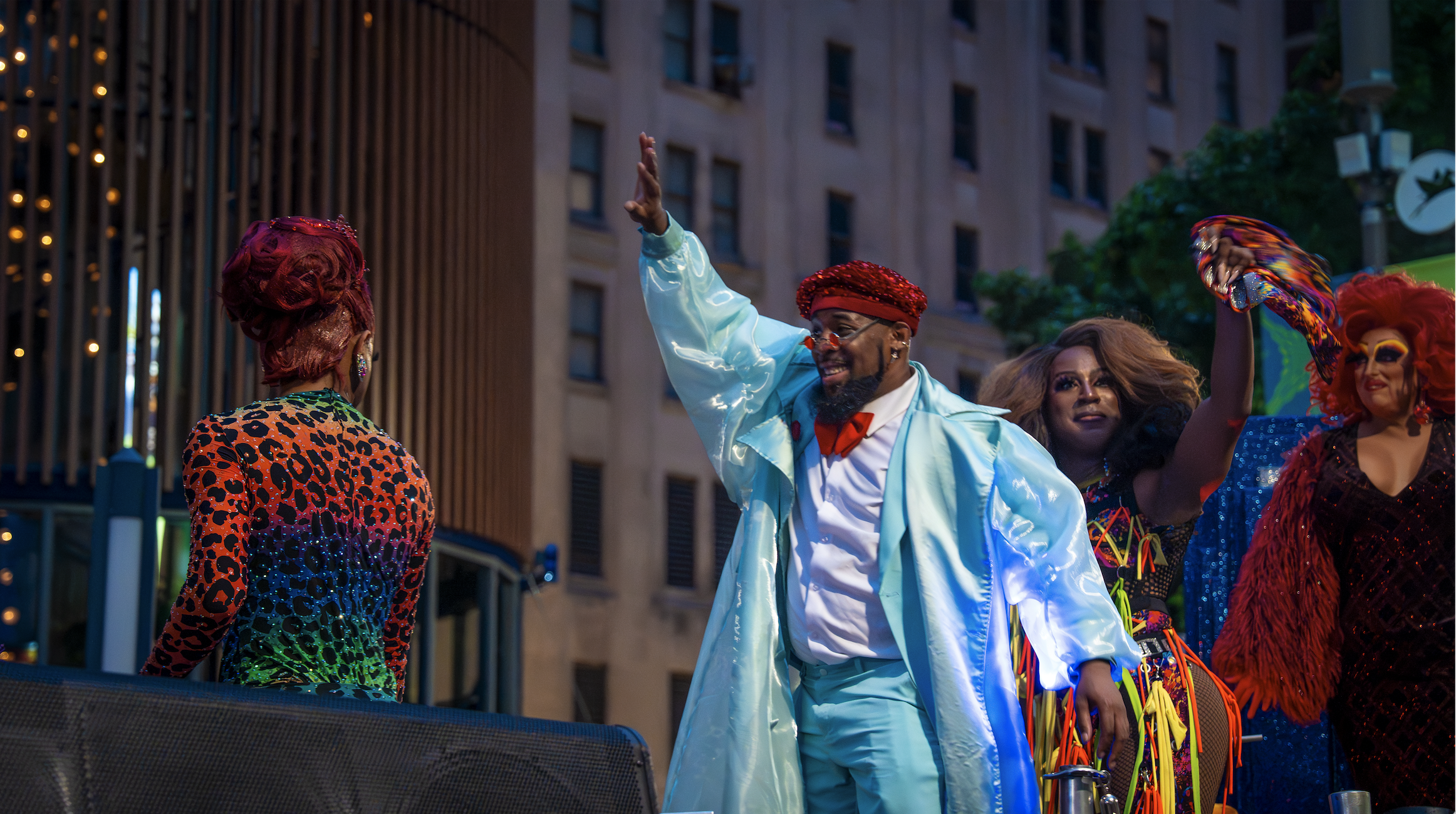
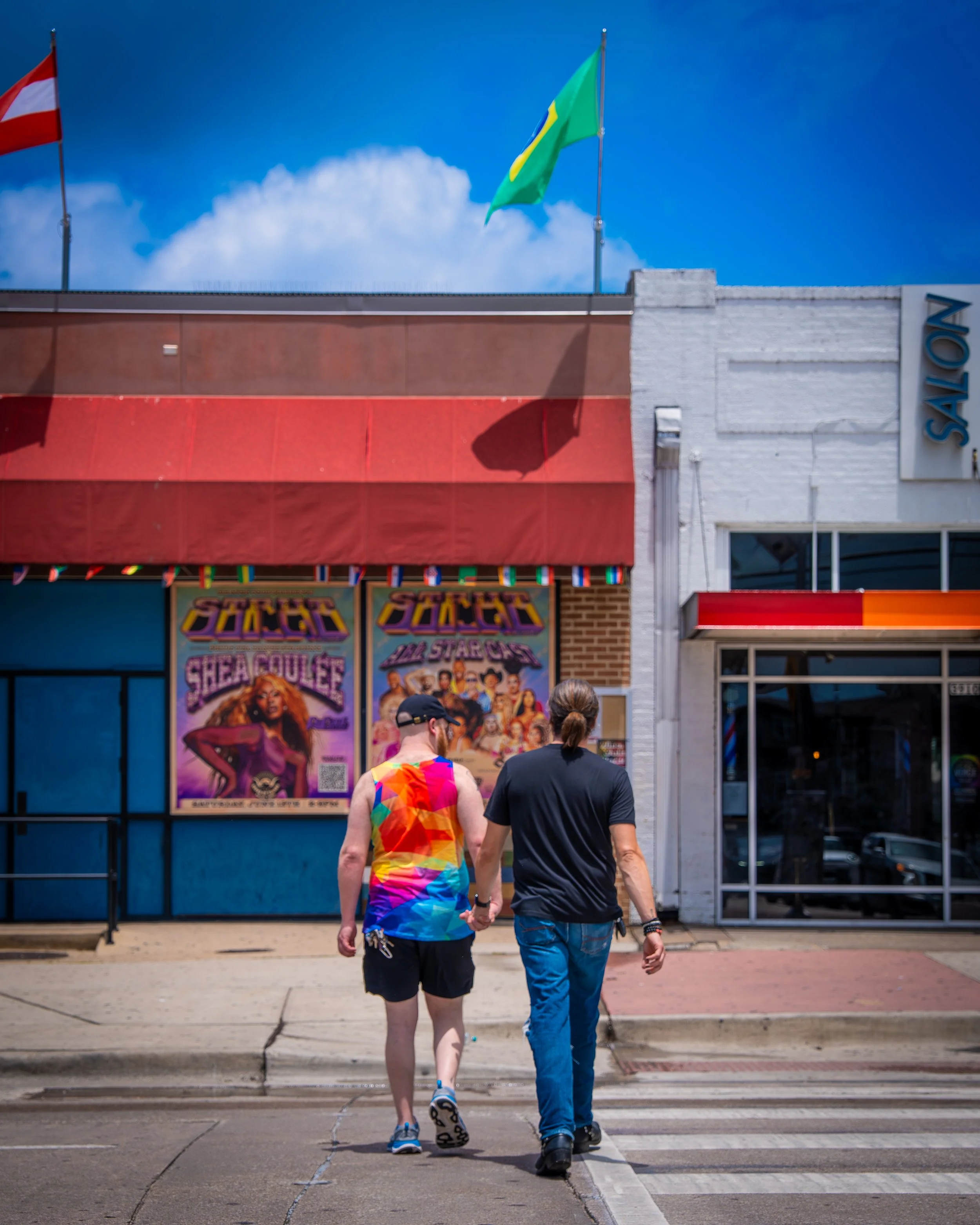
I went to a Pride parade earlier this month, as a guest. That distinction matters to me. Showing up in allyship means being present, being visible, and being careful not to take up too much space. I wanted to observe. To see what the ground was saying.
The parade was in downtown Dallas, which is a particular place to hold it.
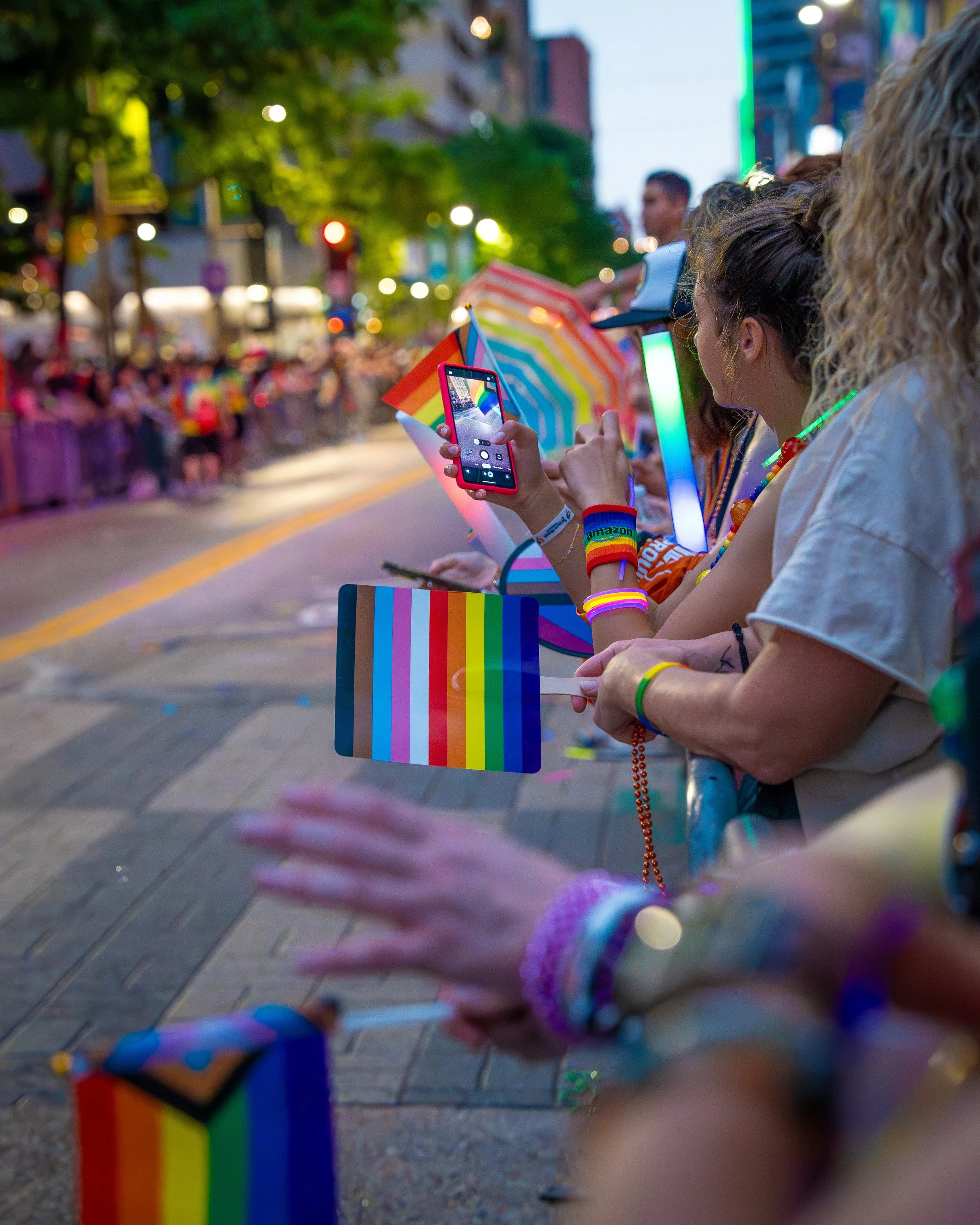
With Pride. Hope to Hope. 2026
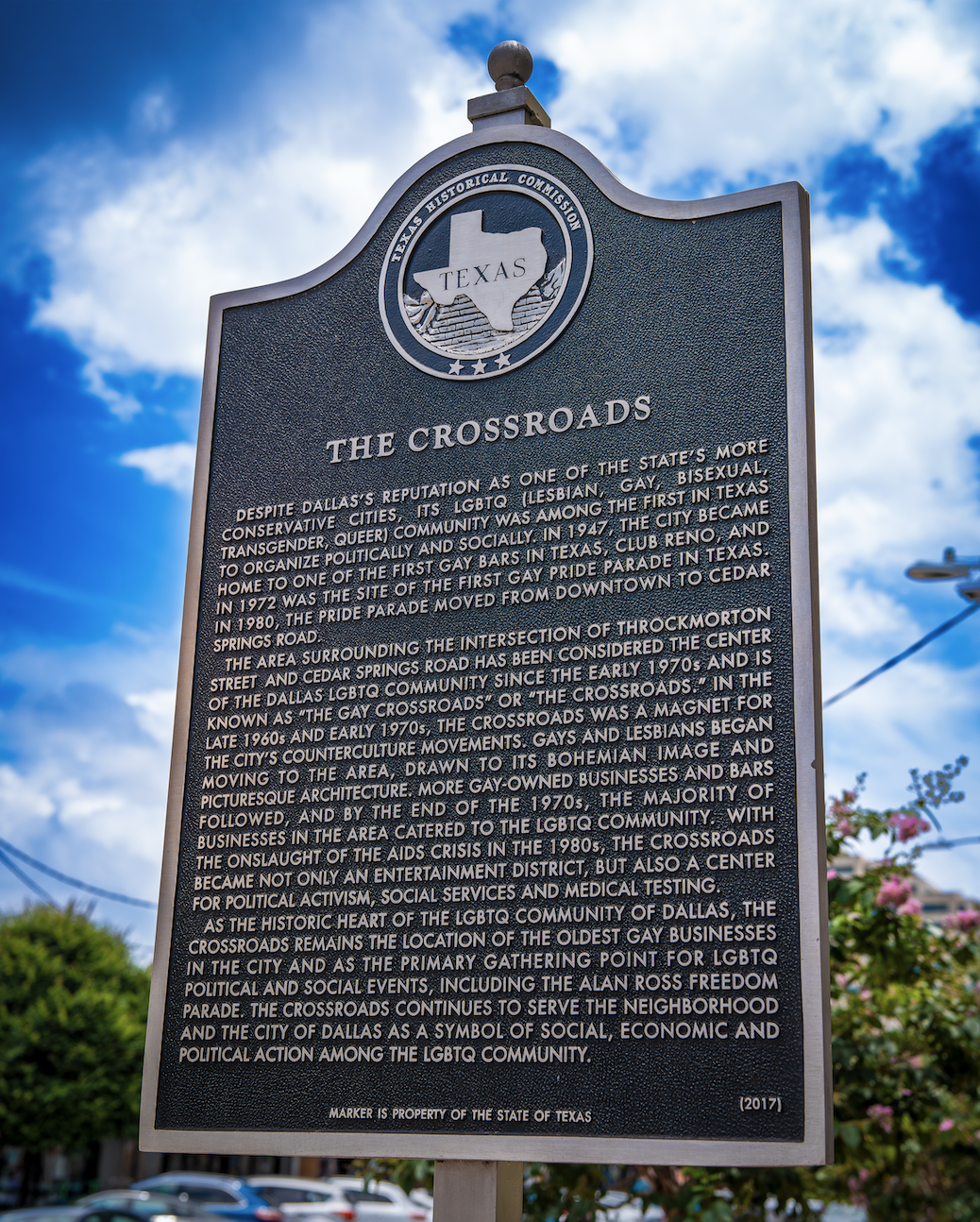
June 24, 1972. Thirty people walked this same Main Street toward city hall. By the time they reached the steps, three hundred were with them.
The first Pride parade in Dallas. The first in Texas.
That same year, a clothing store called Union Jack relocated to Cedar Springs Road in the Oak Lawn neighborhood. The first LGBTQ-oriented business in that neighborhood. Others followed. Over the decade after, they built something. Not a plan. A place.
Most LGBTQ+ neighborhoods in America were made. Someone planned them, zoned them, branded them.
Oak Lawn happened differently.
It grew from necessity, in a neighborhood neglected, built by people the city wasn't particularly interested in.
I keep thinking about that. About what it means to build something in the margins. In the overlooked geography.
But I also keep thinking about what was already in those margins.
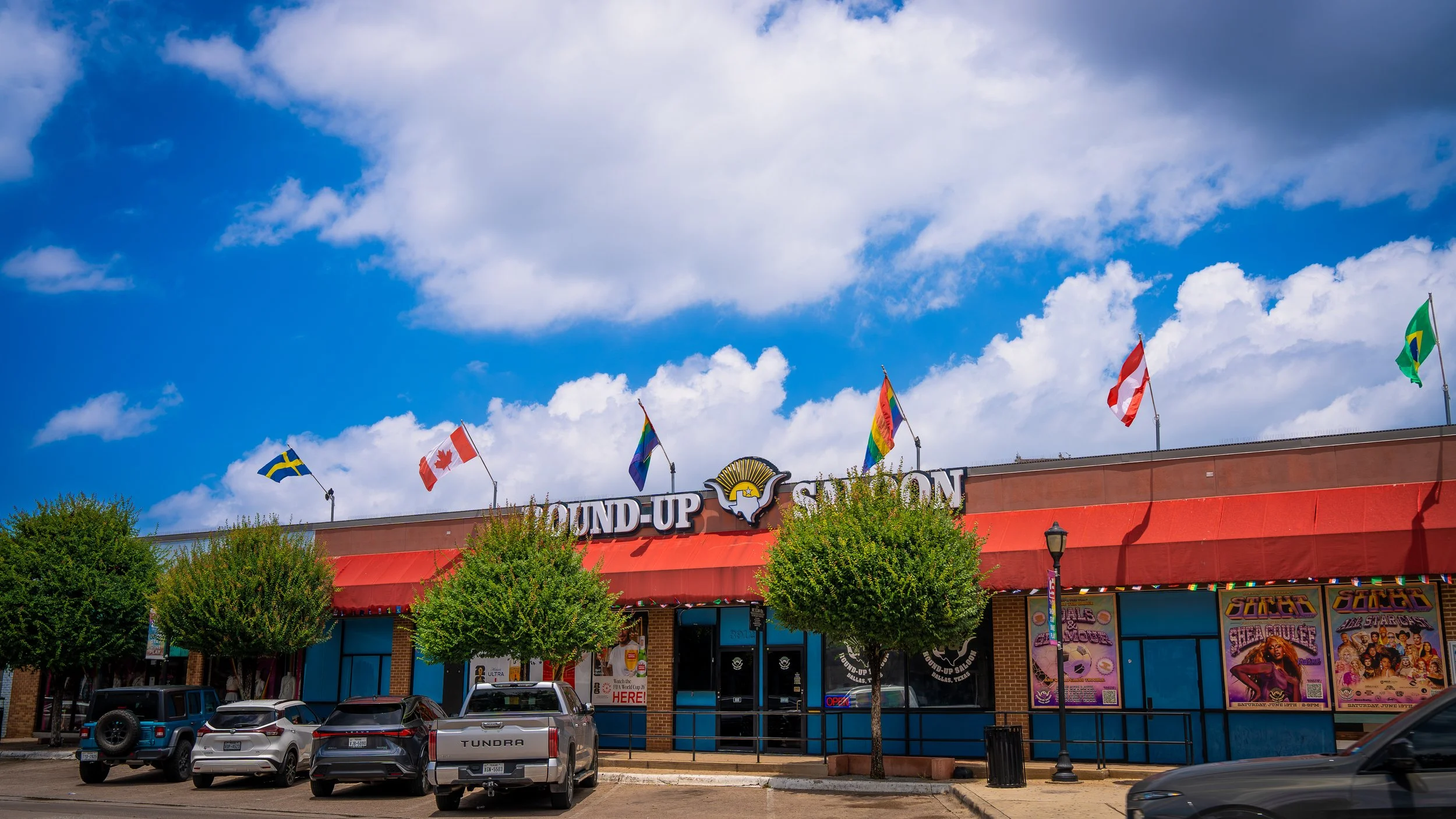
Cedar Springs Road. Hope to Hope. 2026
Before the LGBTQ+ neighborhood. Before Little Mexico. Before anything in the modern Dallas narrative, this land held the Caddo peoples, and after them, various Native Texas nations, systematically displaced as Texas was colonized, then annexed, then developed.
That displacement is the original erasure. The deepest layer. The one most thoroughly buried by everything that came after.
It gets almost no mention in Oak Lawn's story, which is itself a form of erasure.
Little Mexico came next. A Mexican-American community that built a neighborhood from nothing, on land no one else wanted, under conditions of segregation and exclusion.
Schools. Churches. Businesses. A cultural life. A city within the city.
Then the highway came through in 1966 and divided the neighborhood in half. The redevelopment followed. By the 1980s, Little Mexico had largely vanished, replaced by office towers and luxury hotels and condominiums. St. Ann's Catholic School, where generations of the neighborhood's children had learned, became an upscale restaurant.
The space was left.
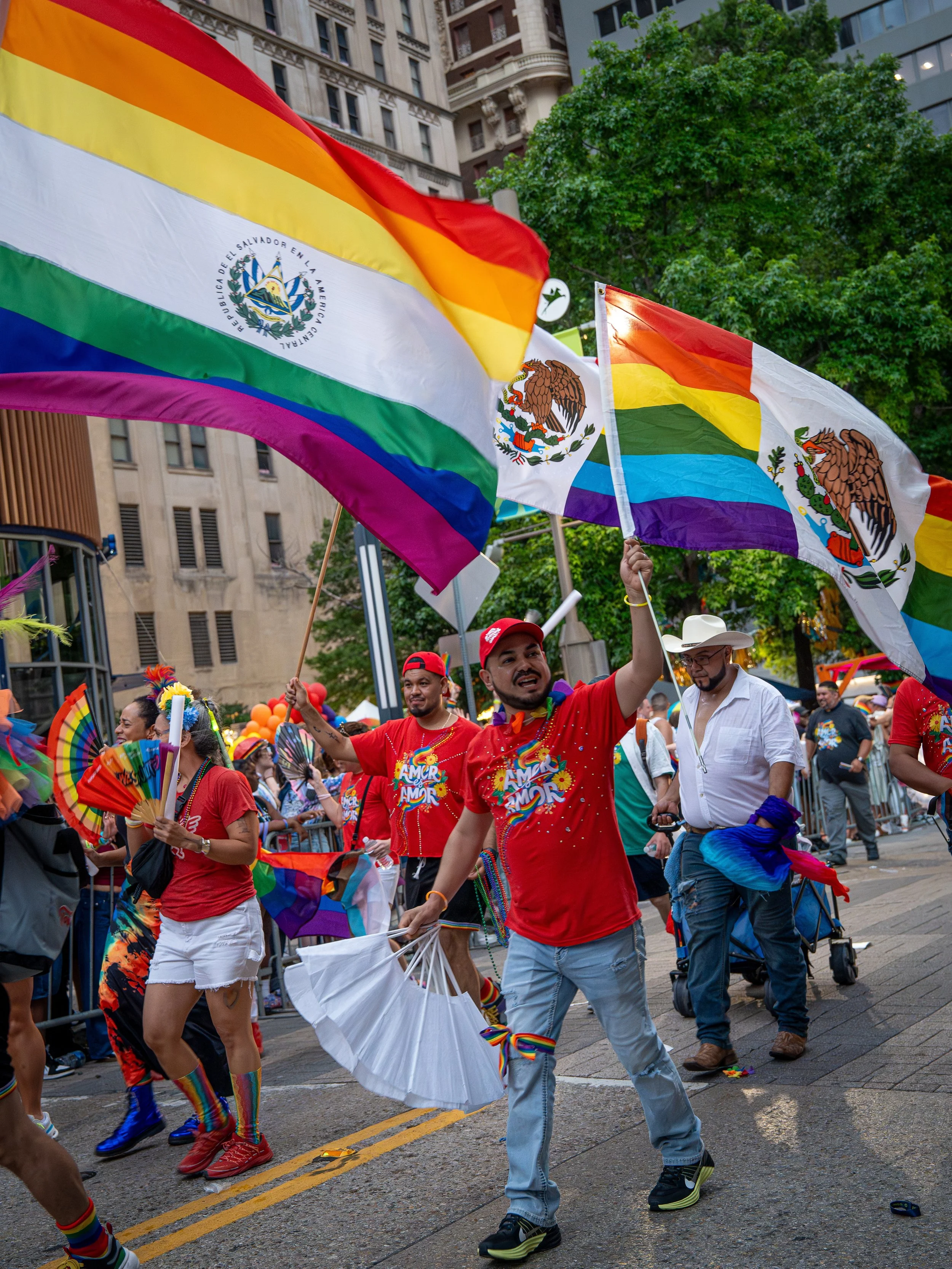
Agridulce. Hope to Hope. 2026
Predominantly white-owned, gay-oriented businesses claimed it. Built by those criminalized by the state for who they were. They arrived because the rent was cheap. Because the neighborhood had been neglected into affordability. Because there was room, now, for people the rest of the city didn't want.
They built bars with windows, which was radical then. Then balconies that faced the street. Then a parade that moved from downtown to the neighborhood itself. They made Oak Lawn visible as theirs.
And then the same force that cleared the ground beneath them began working on them.
The loop of gentrification only runs in one direction. A marginalized community improves a neighborhood. The neighborhood becomes desirable. The community gets priced out.
The economic logic that erased Little Mexico had circled back. A different community. The same mechanism. This is the loop. And it keeps looping.
In October 2025, Governor Greg Abbott ordered Texas cities to remove all non-standard crosswalk designs, citing traffic safety. The real targets were not subtle. Rainbow crosswalks in Oak Lawn. Black Lives Matter crosswalks in South Dallas. Other designs swept along as cover.
The Oak Lawn crosswalks were privately funded. The community raised $128,250 to install them. Then raised another $45,000 to repaint them in the summer of 2025, just a few months before the order came.
The state used the threat of withheld public funding to force the city to remove what the community had paid for themselves.
On March 23, 2026, power washers were blasted down on Cedar Springs Road. Most of the crosswalks were gone by early afternoon.
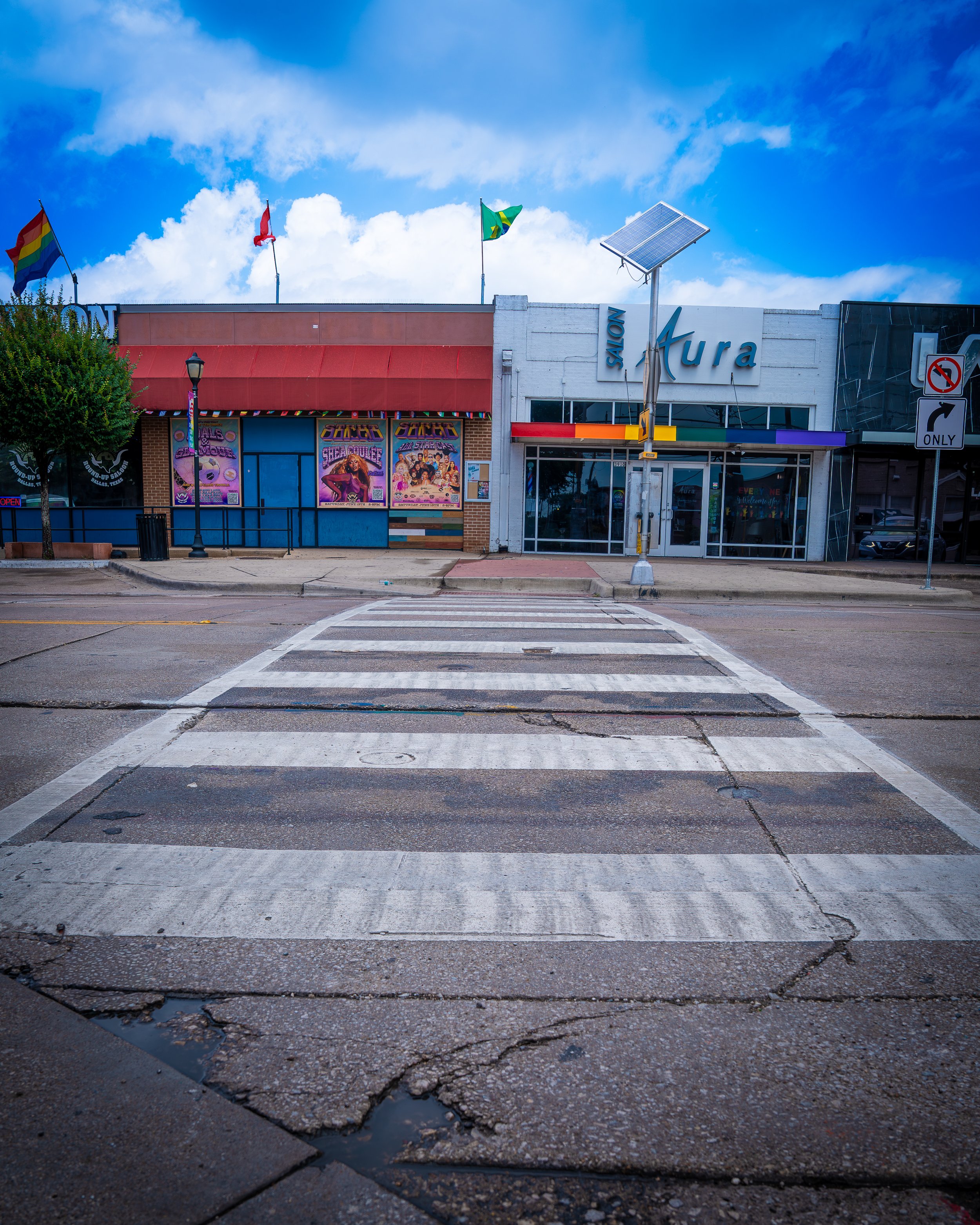
Erasure. Hope to Hope. 2026
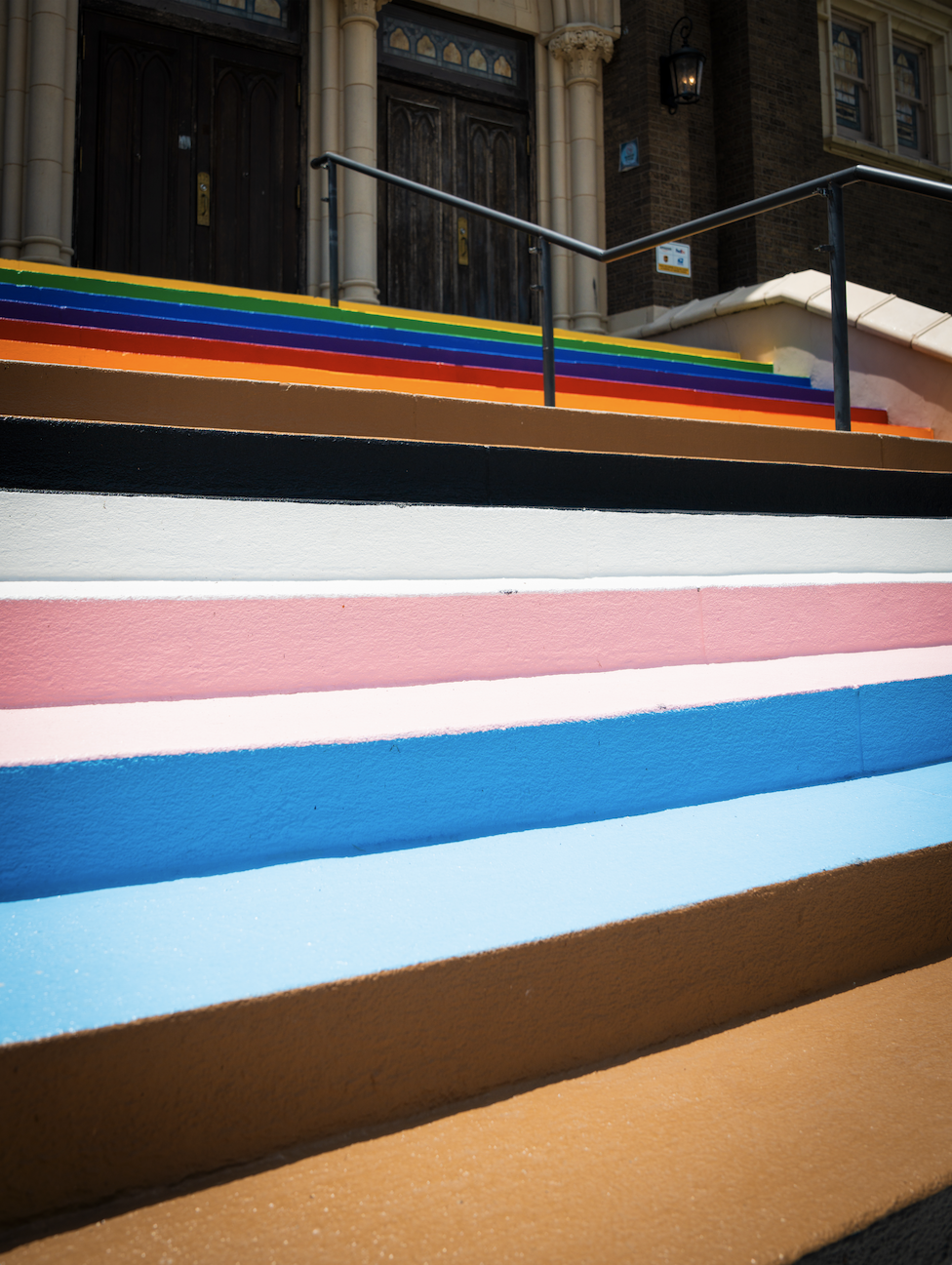
The oldest institution in the neighborhood is Oak Lawn United Methodist Church, founded in 1874, built before the LGBTQ+ neighborhood, built before Little Mexico, built when this street was still finding its name.
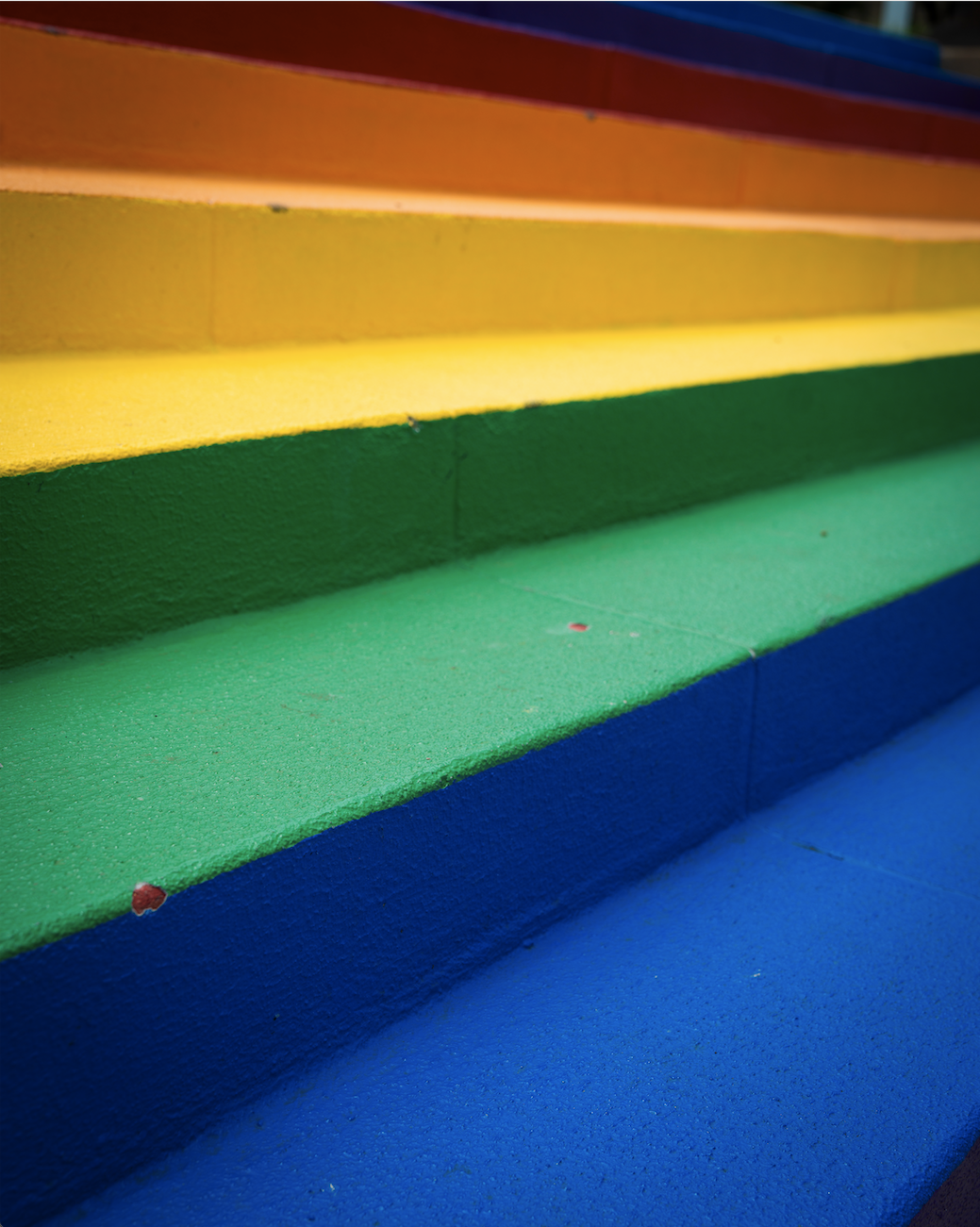
When the governor came for the crosswalks, the 152-year-old church responded by painting its front steps... in the colors of the rainbow.
The oldest building in the neighborhood, a church, became the most visible act of resistance to erasure. That's not irony. That's poetry.
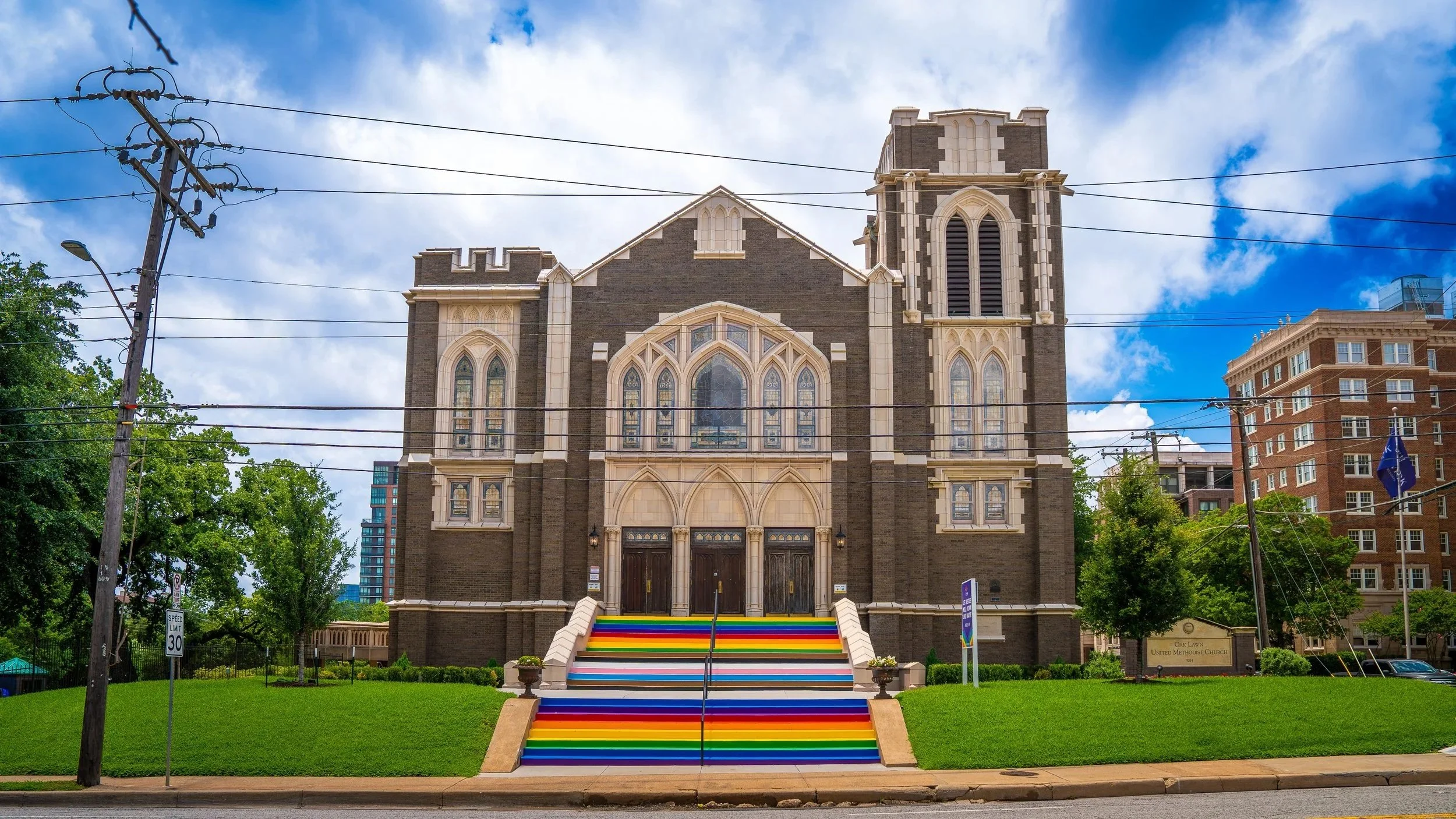
A Holy Act of Defiance. Hope to Hope. 2026
The day after the parade, I went to Oak Lawn and walked the streets.
The color from the crosswalks were still there. Not the full stripe. Not the design. But the pigment, in the cracks of the pavement.
Yellow. Teal. Blue. A trace of red at the edge.
The power washer had stripped the surface. But the color had gone deeper than the water could reach. It survived in the broken places. In the fissures that were already there long before the crosswalk was painted, long before anyone thought to paint it.
Concrete is porous. The surface is where you perform the erasure. Beneath the surface, the material holds what it holds. You can remove what was applied. You cannot always remove what soaked through.
I think of this as a palimpsest, which is a manuscript scraped clean and written over. In a palimpsest, the original text bleeds through the manuscript, so despite it being scraped and cleaned the remnants of what was there originally remain. Not because anyone protected it. Because the material held it.
Oak Lawn is that.
The Caddo. Little Mexico. The community that built a neighborhood out of neglect and collective insistence on existing, even as the neighborhood they built began disappearing underneath them.
Each one left something in the ground.
Below the surface.
Past where the water reaches.
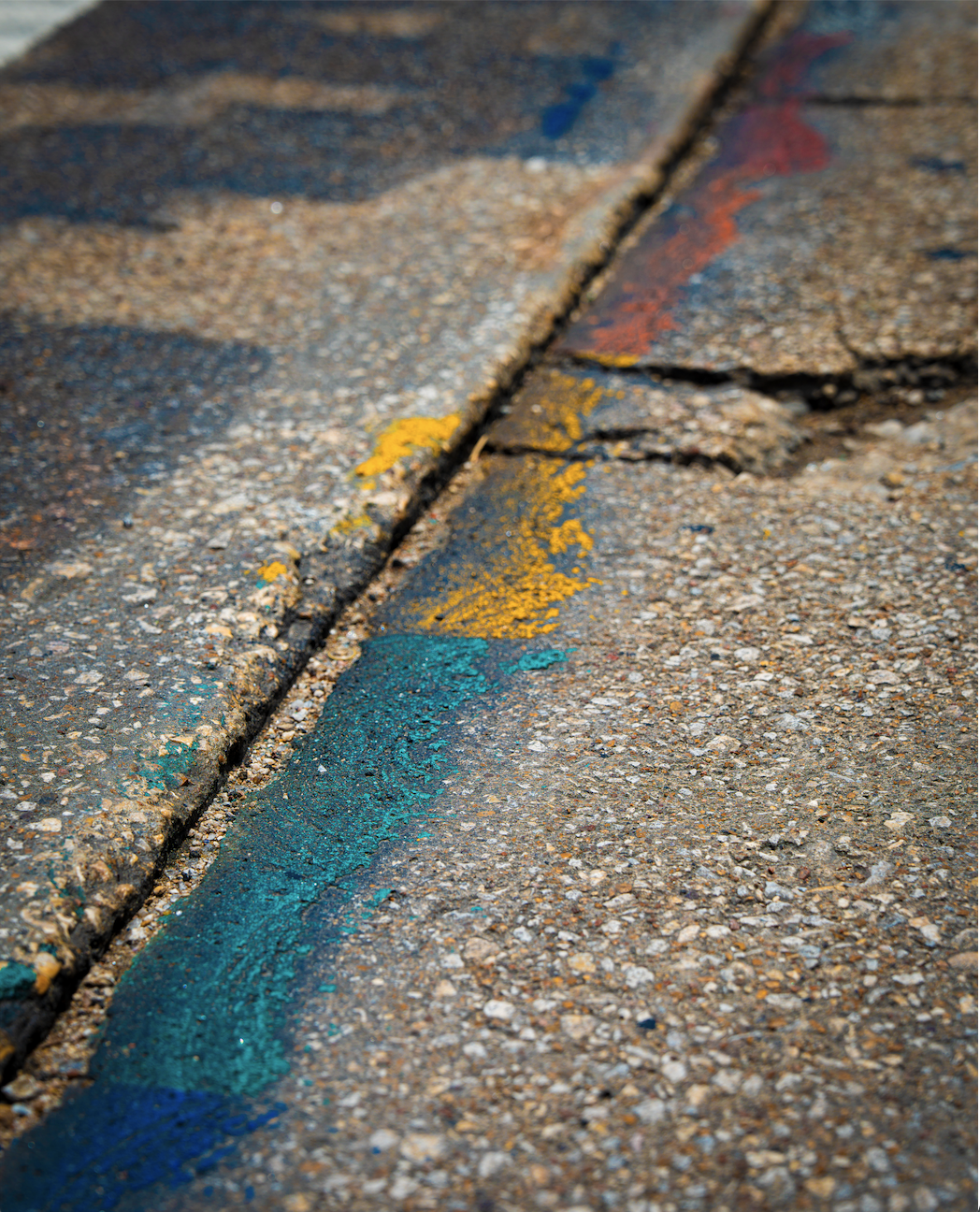
A Palimpsest of Hope. Hope to Hope. 2026
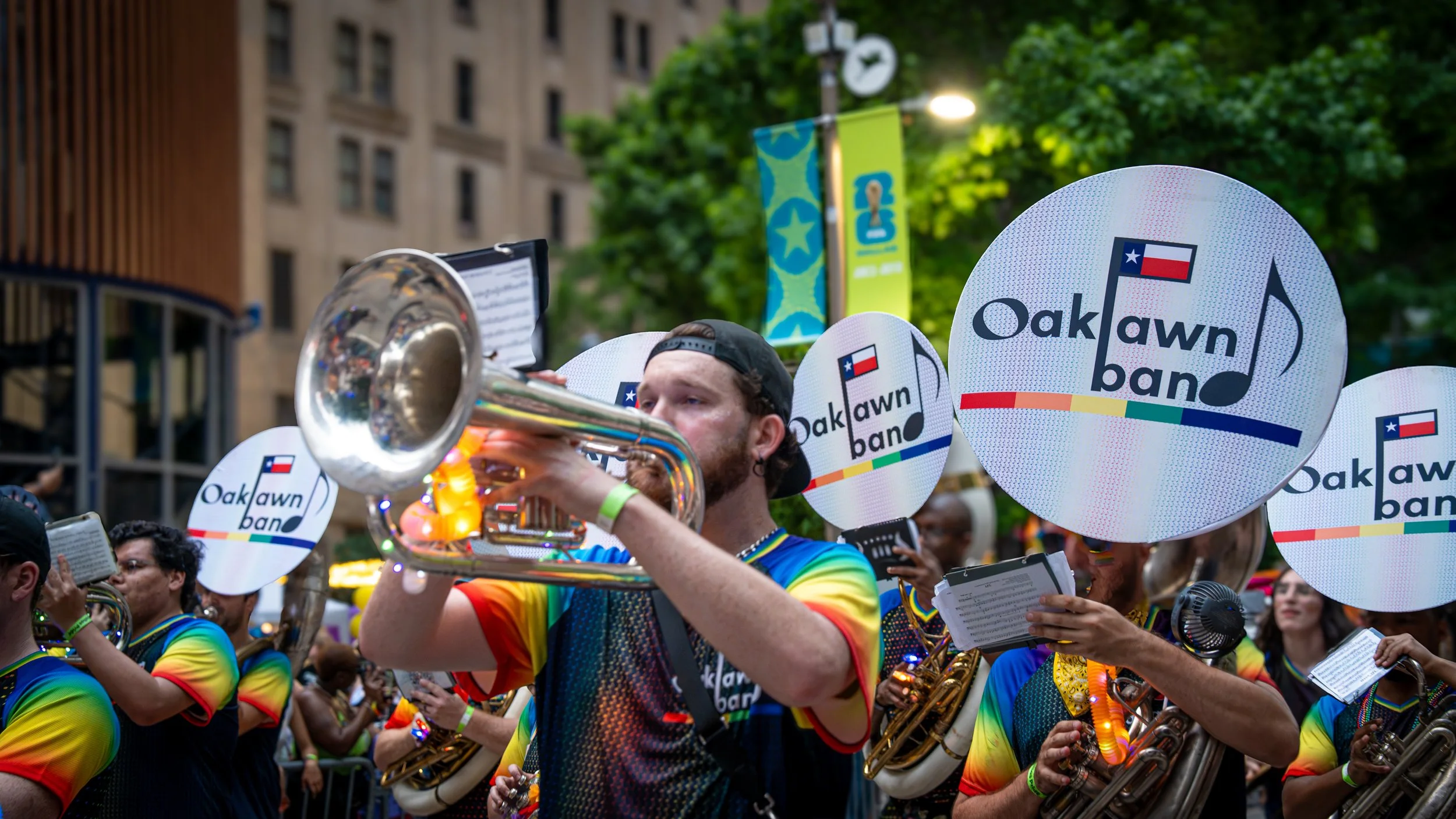
Written, Photographed & Edited by Terrence True
Shot on Sony A7CII